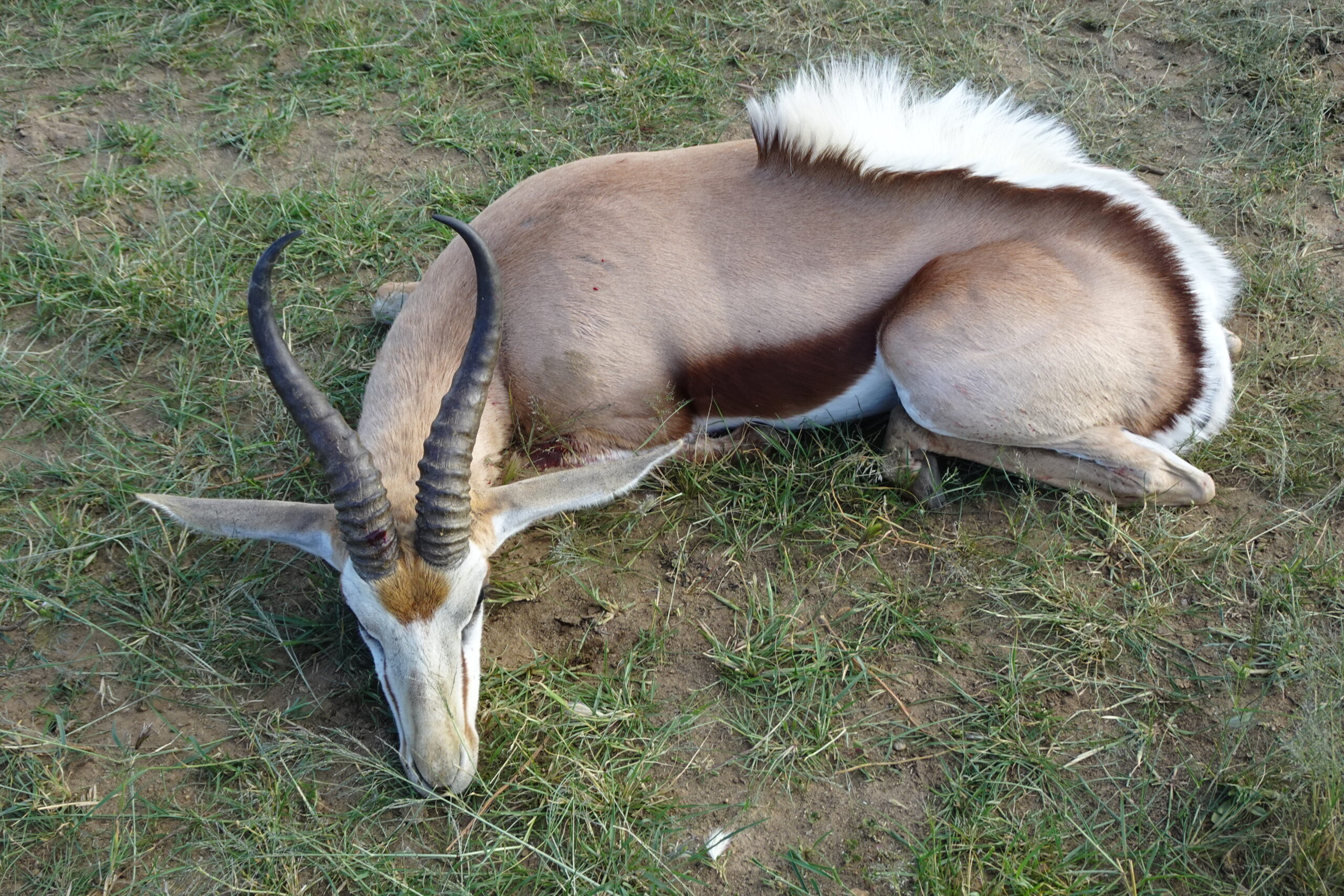
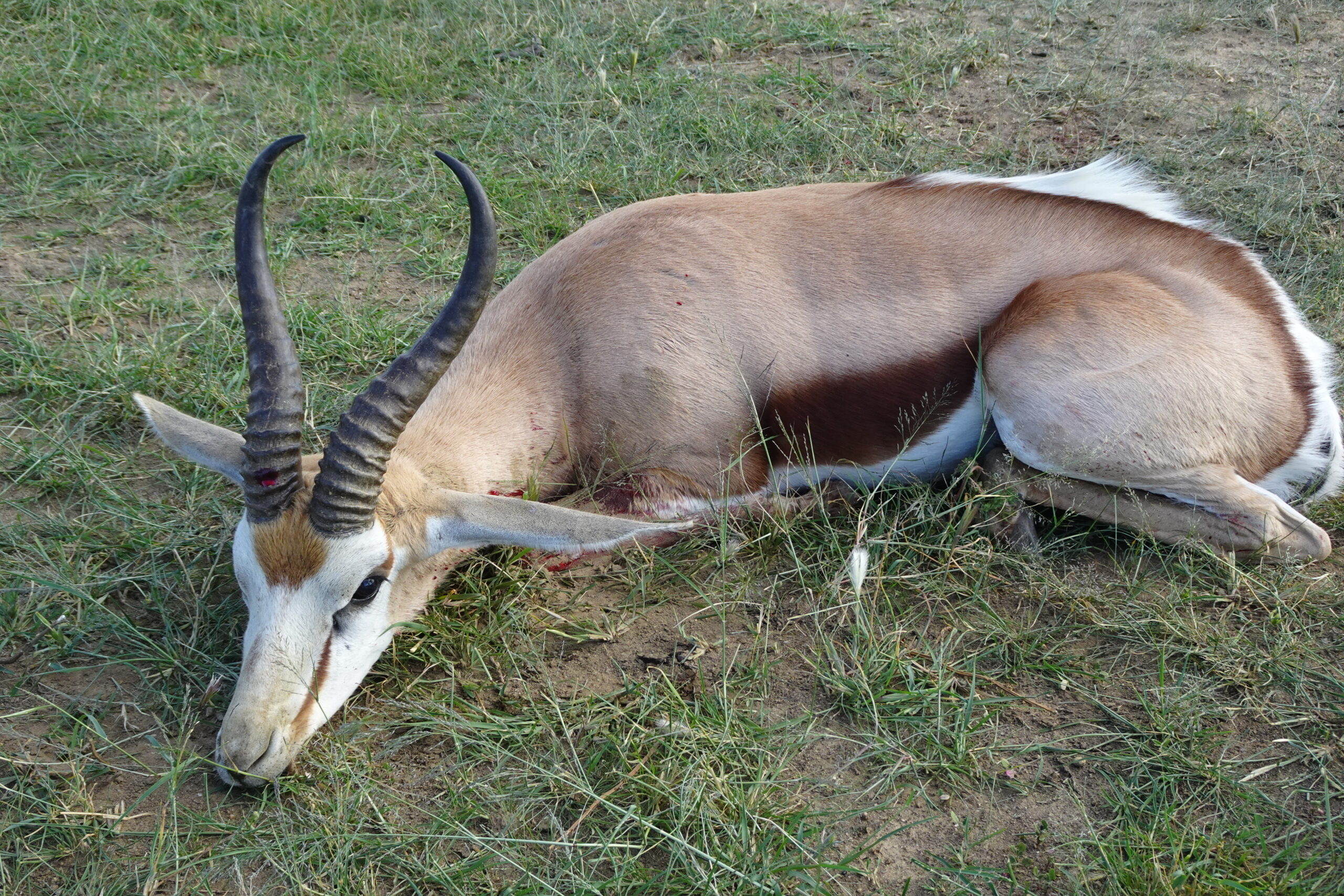
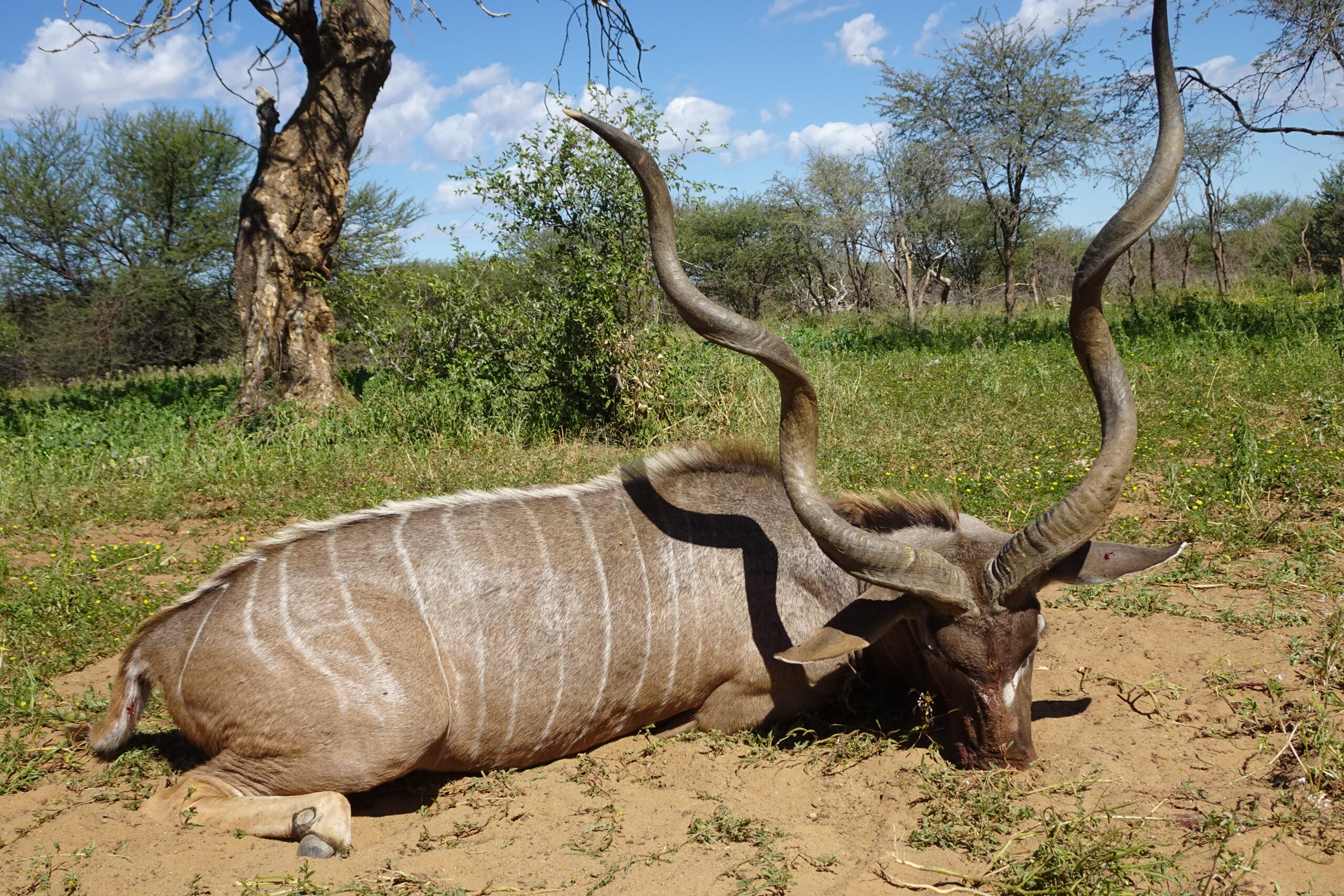
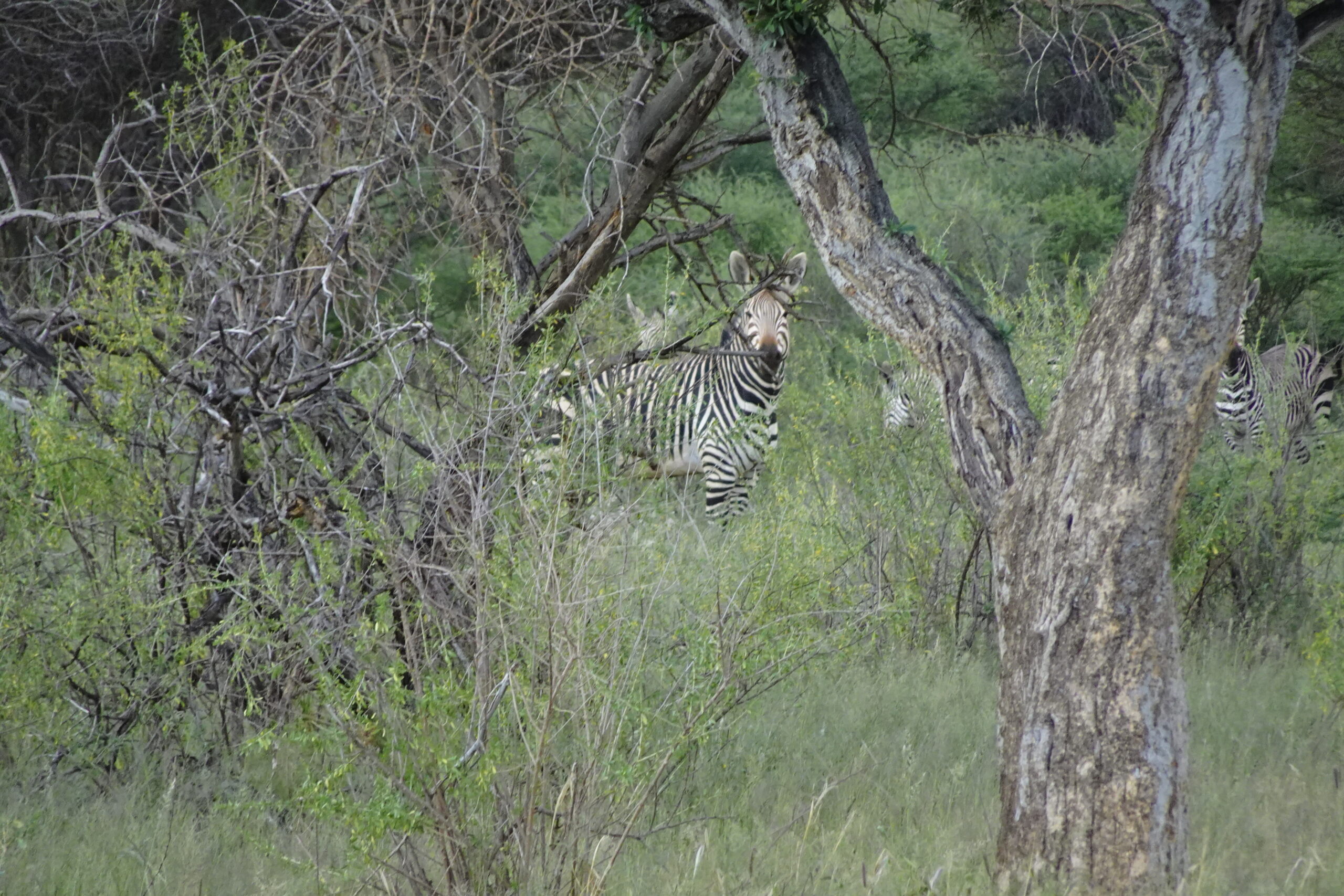
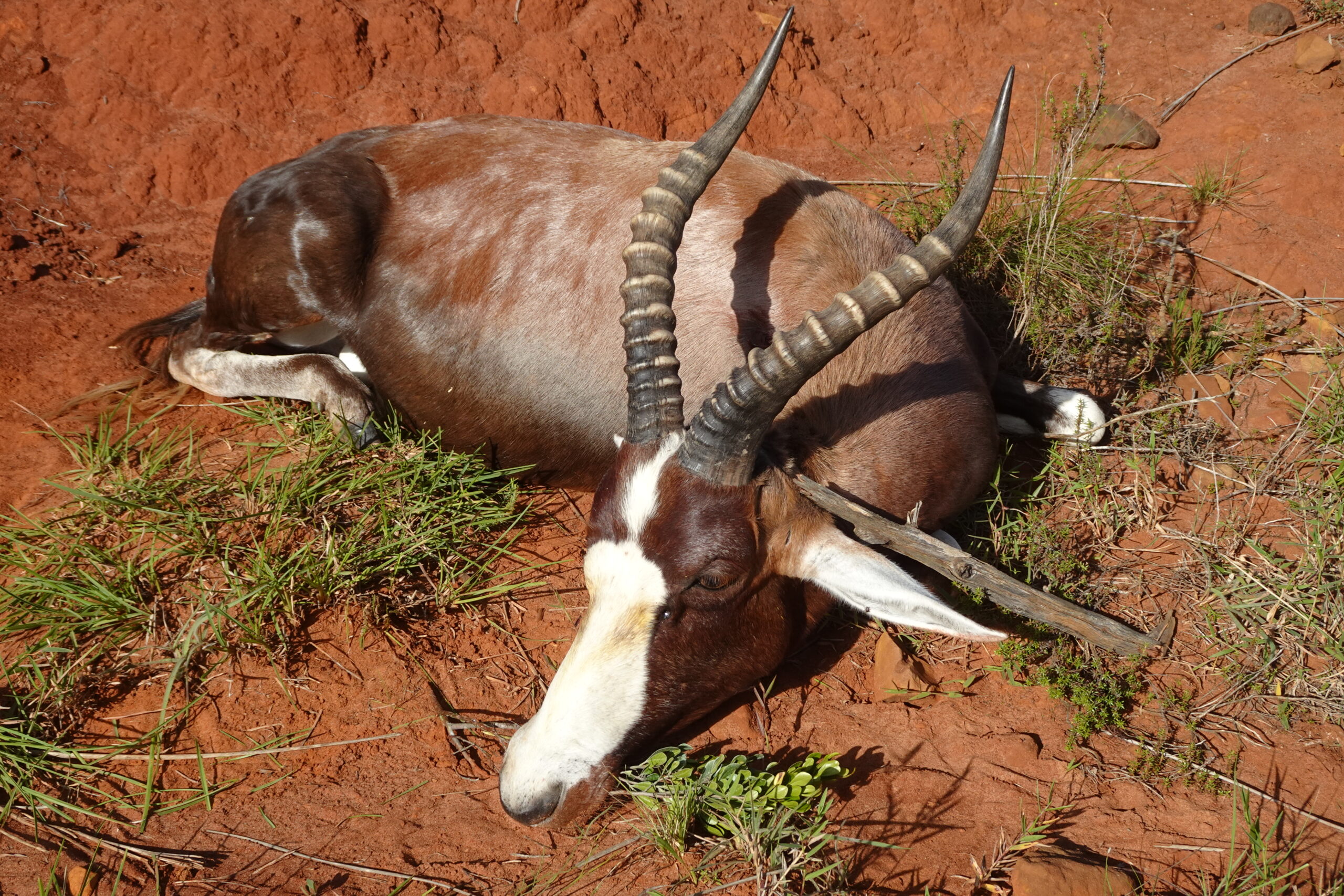
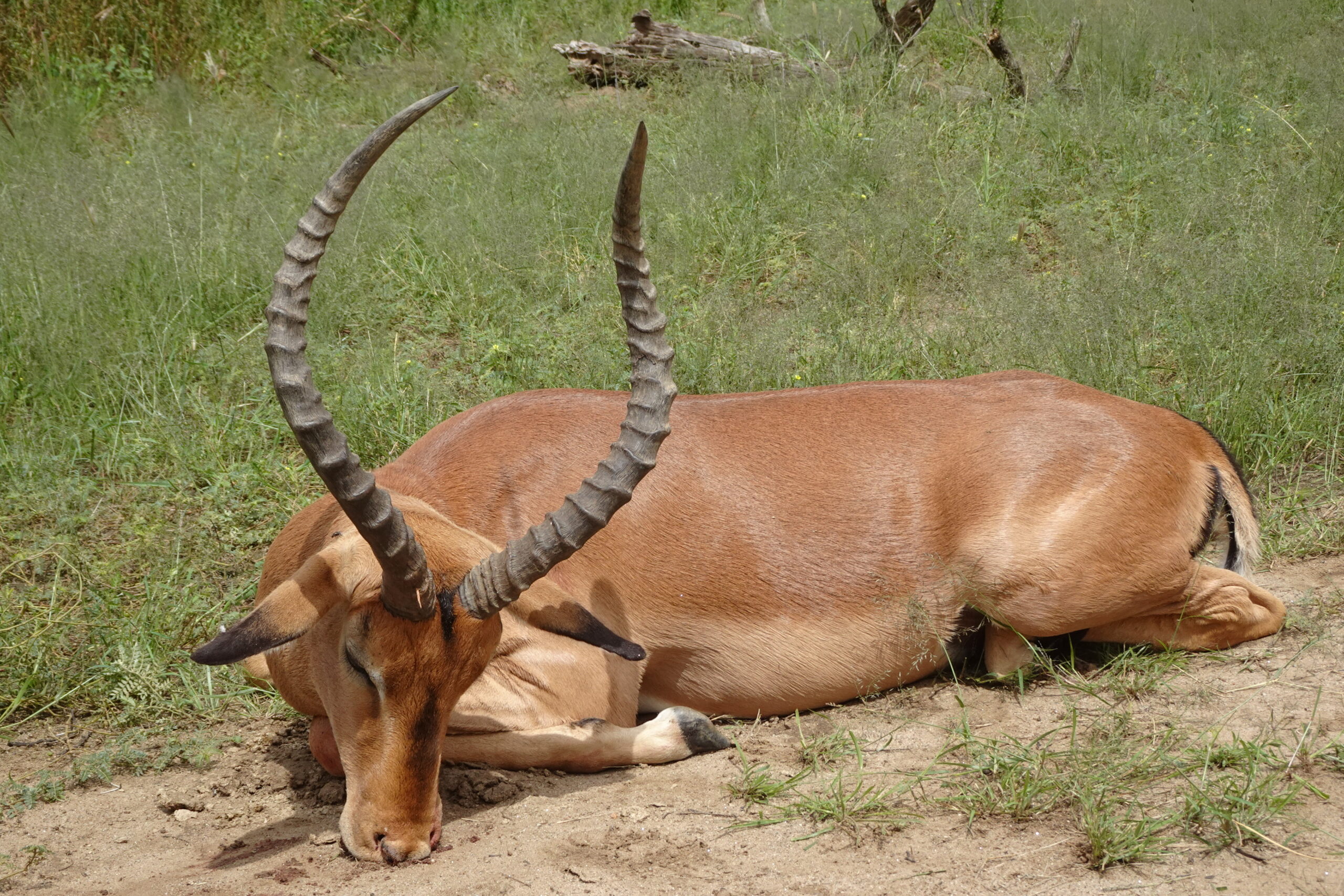
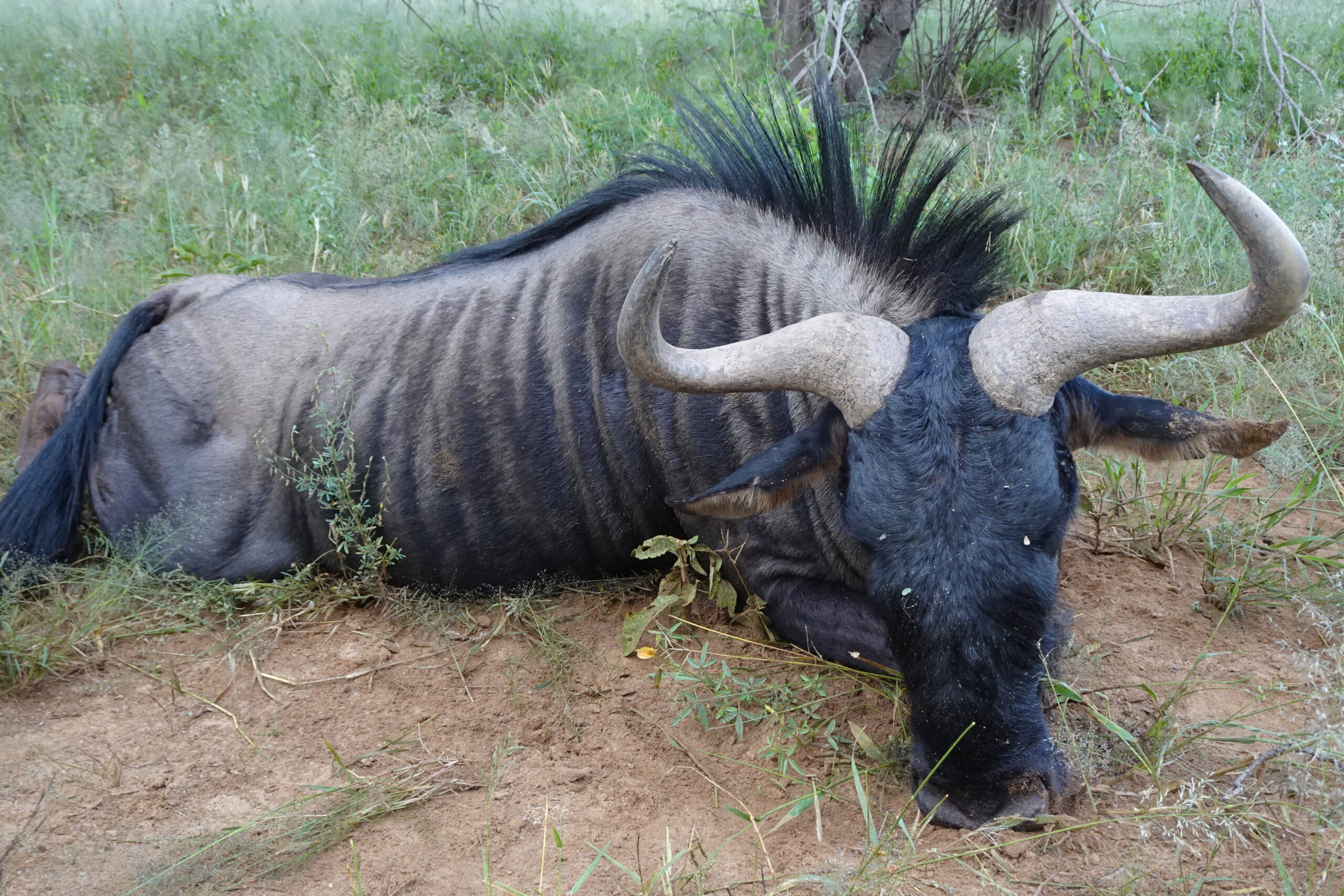
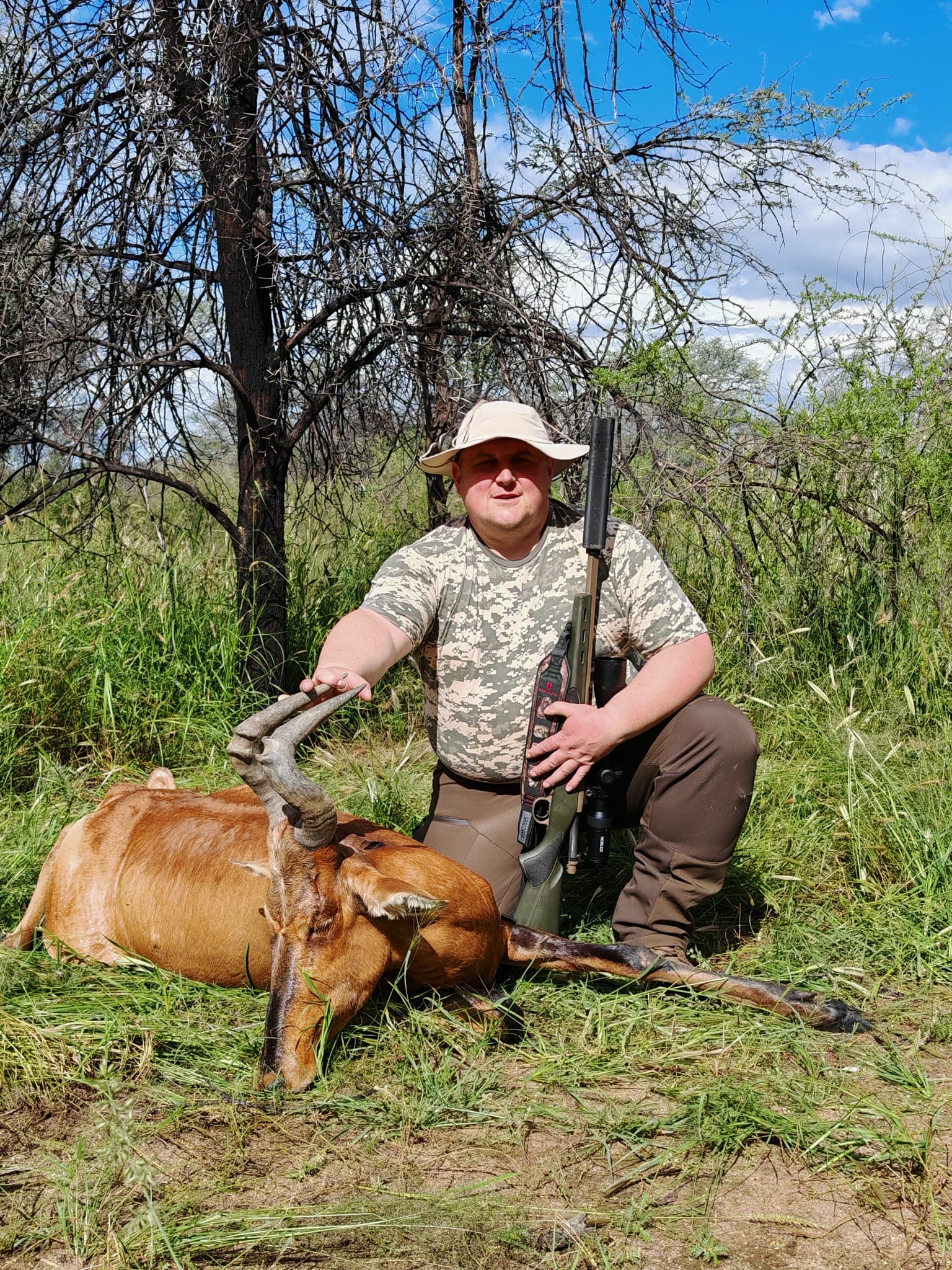
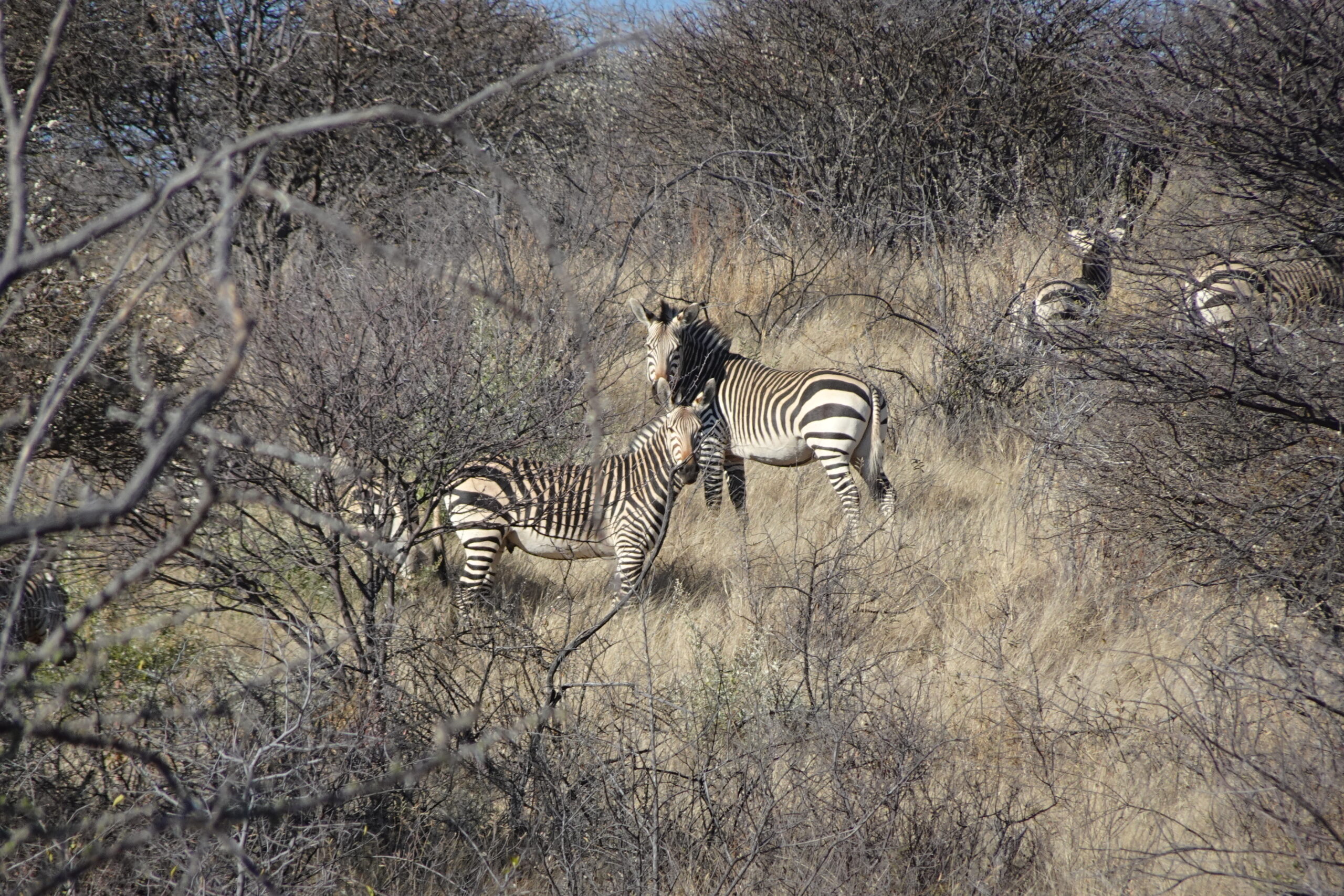
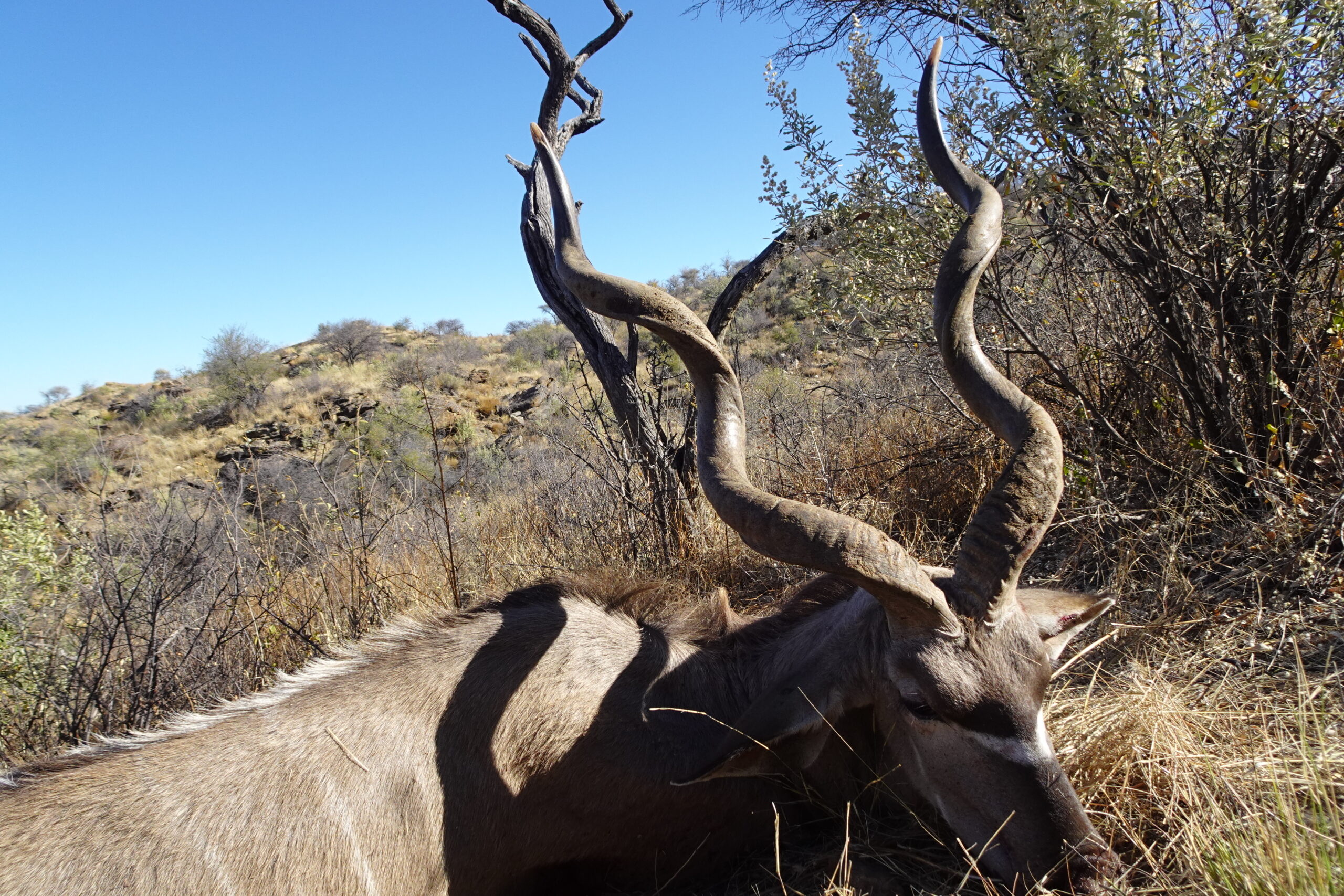
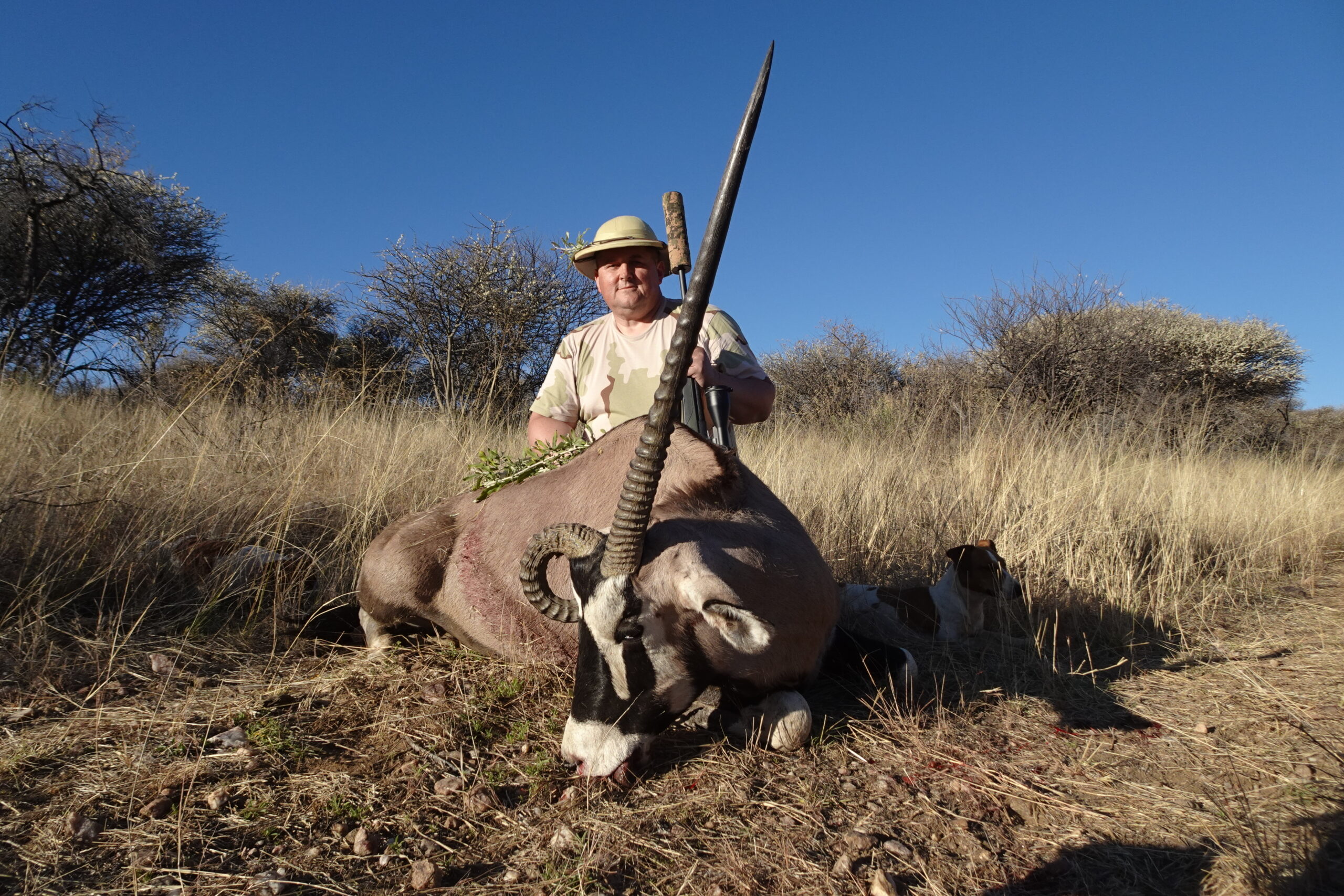
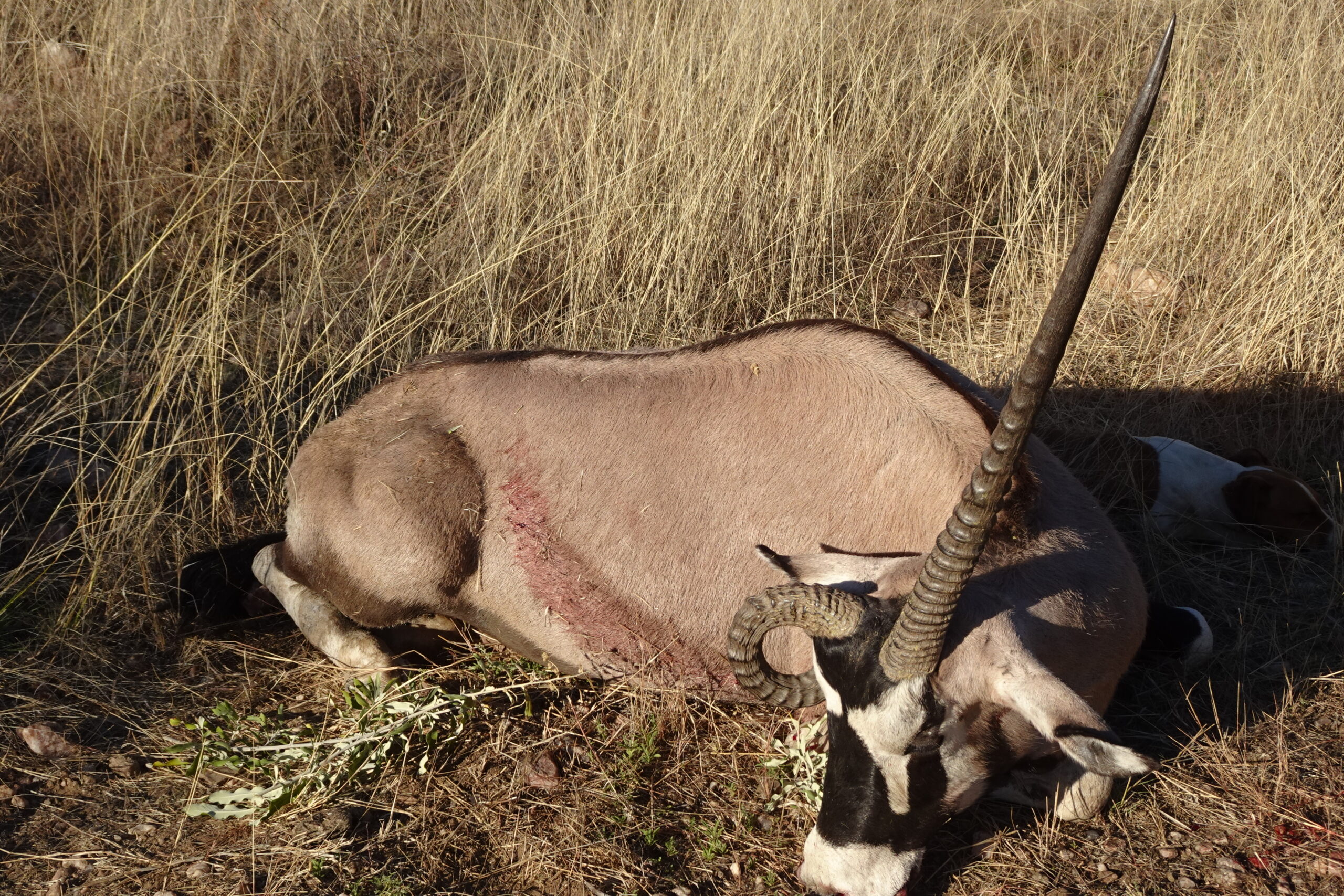
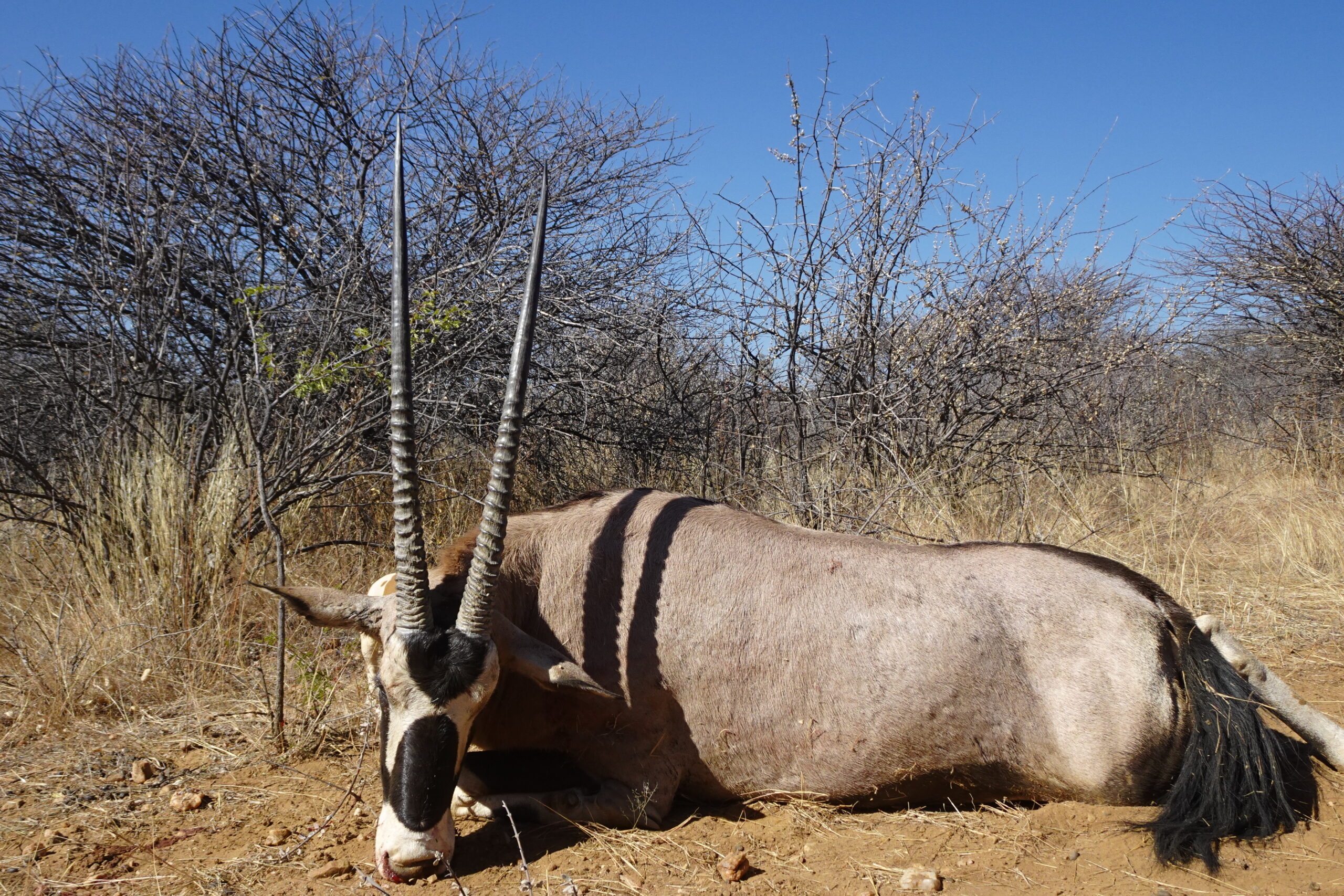
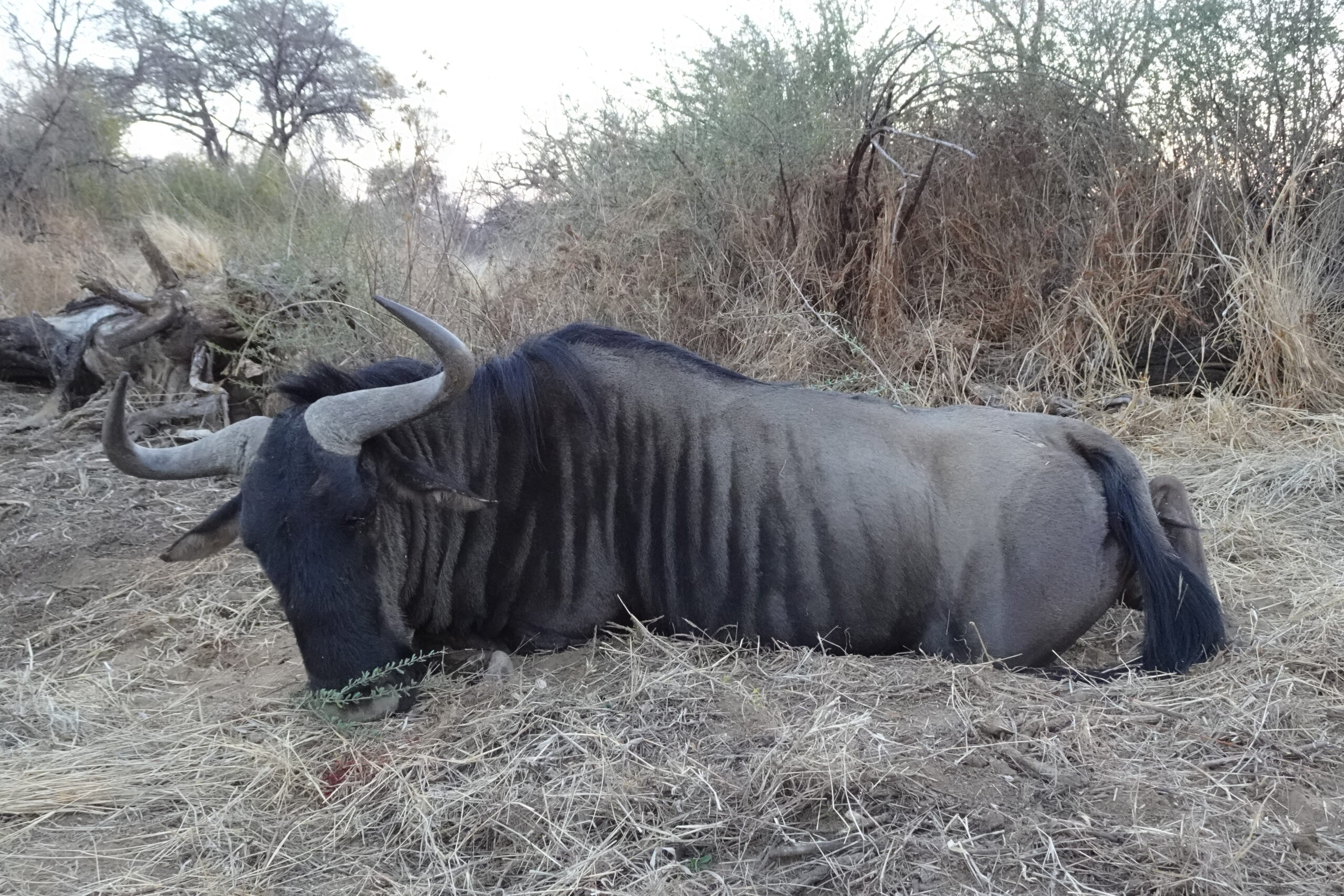
From April 1, 2027, to October 31, 2027, we will be organizing hunting trips in Namibia. Our hunting agency offers opportunities in two distinct locations within the country. The first is a beautiful hunting area situated on a plateau at an average elevation of 1,500 meters above sea level. It is characterized by a rugged, mountainous, and highly undulating landscape—a semi-desert terrain that transitions into savanna. This region serves as a transitional zone between the hyper-arid Namib Desert to the west and the Kalahari Basin to the east. The landscape is crisscrossed by deep, expansive valleys and ephemeral riverbeds; while dry for most of the year, they fill with water following rare, intense rainfall and serve as vital migration corridors for local wildlife. In this area, you can hunt Hartmann’s mountain zebra, greater kudu, blue and black wildebeest, oryx (gemsbok), springbok, steenbok, impala, eland, and waterbuck. Occasionally, you may also encounter hartebeest, duiker, and klipspringer—a small antelope often referred to as a 'rock jumper.' Among predators, it is possible to hunt the leopard, a member of the African 'Big Five.' Black-backed jackals and brown hyenas are also abundant, and there is the opportunity to hunt the caracal, often called the African lynx. During antelope hunts, it is also possible—depending on the time of the hunting season—to hunt guinea fowl, francolins, and African hares. The second hunting area consists of flat, typical savanna terrain, punctuated by a few higher elevations. In addition to the species mentioned in the description of the first area, this location is home to Burchell’s zebra, the sable antelope, and—among predators—the cheetah. Baboons can be hunted in both areas. Temperatures from April 1st through the end of October remain fairly consistent: daytime highs range between 20°C and 30°C, while nighttime temperatures fall between 15°C and -5°C (with the coldest nights occurring between May and August). For the most part, the weather is very dry, with virtually no precipitation. Rain may occasionally occur in April or October, though this is quite rare. We invite you to book your hunt by contacting us via phone or email.